
Money problems do not always begin with low income.
Many people earn decent salaries, run successful businesses, or receive regular income but still find themselves counting days to payday, borrowing unexpectedly, or wondering where all their money went.
If this sounds familiar, you are not alone.
Financial progress is rarely decided by one big decision. More often, it is shaped by small habits repeated every day. The good news is that habits can change.

Here are seven money habits that quietly keep many people financially stuck, and what to do instead.
1. Spending First and Planning Later
One of the most common financial mistakes is receiving money and immediately starting to spend without a clear plan.

A few transactions here, a quick lunch there, transport, online shopping, subscriptions, and suddenly half the month is gone.
Budgeting does not mean limiting your life. It means deciding where your money should go before life decides for you.
Try this simple structure:
- Essentials – 50%
- Savings – 20%
- Lifestyle – 20%
- Emergency fund – 10%
Even if your percentages differ, having a plan creates awareness.
2. Treating Savings Like Leftovers
Many people save whatever remains at the end of the month.
The problem?
For most people, nothing remains.
Saving becomes easier when you reverse the order. When income comes in, move a portion immediately into savings before spending begins.
It does not need to be a large amount. Consistency matters more than size.
Saving KES 100 every day creates momentum and discipline.
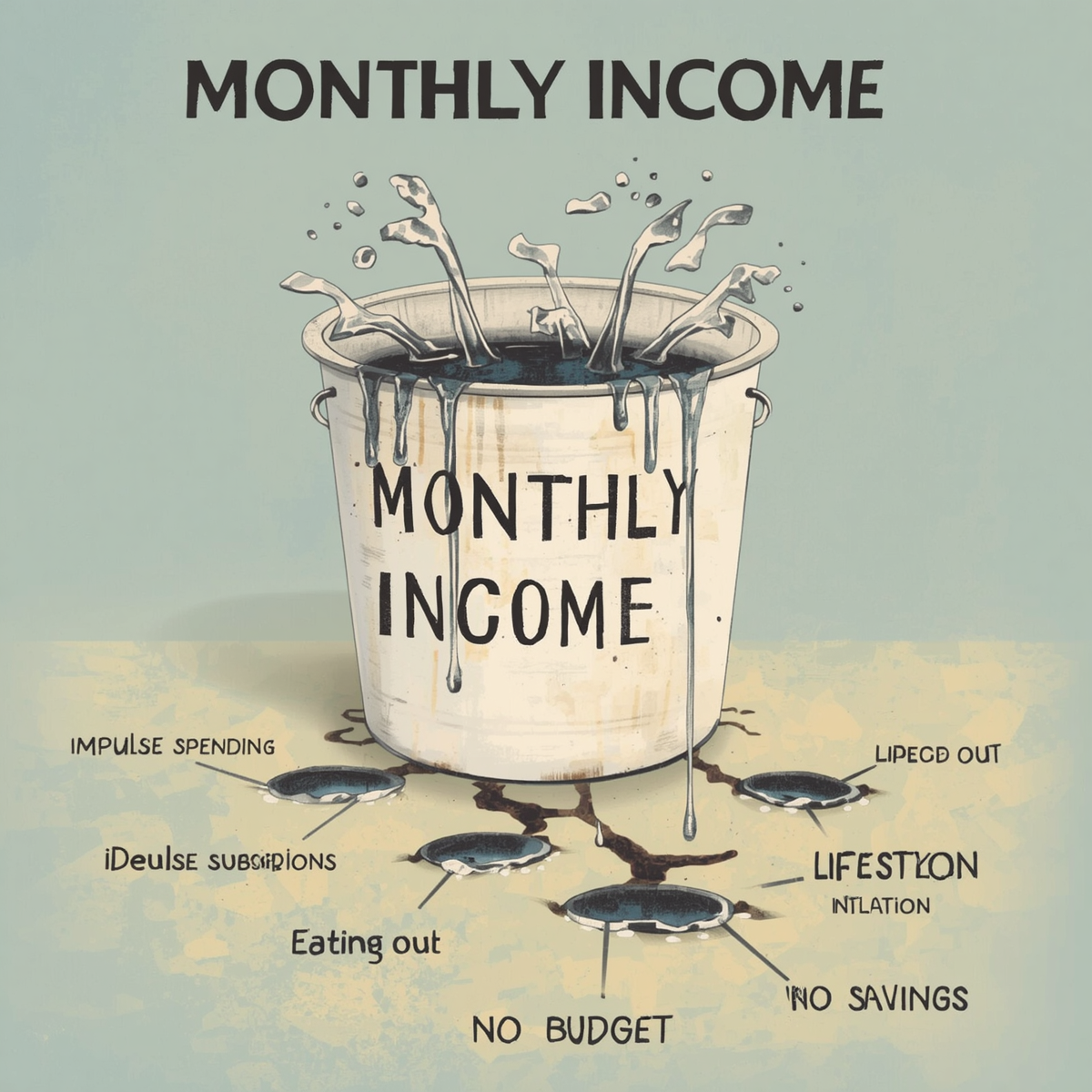
3. Increasing Lifestyle Every Time Income Increases
You finally get a raise.
Then:
- rent increases
- spending increases
- entertainment increases
- subscriptions increase
Your income grew, but your financial position stayed the same.
This is called lifestyle inflation.
Instead of upgrading everything immediately, increase your savings and investments first.
Give yourself permission to enjoy growth, but avoid turning every salary increase into permanent expenses.
4. Ignoring Small Daily Spending
People often focus on large expenses and ignore the tiny daily purchases.

But financial leaks usually happen quietly.
Daily snacks.
Extra transport.
Delivery fees.
Random online purchases.
Track every expense for two weeks.
You may discover that the small purchases add up to more than expected.
5. Depending on Debt for Normal Living
Borrowing occasionally for emergencies is one thing.
Borrowing every month for groceries, transport, or bills is another.
Debt becomes dangerous when it starts replacing budgeting.
The solution is simple but powerful: build a small emergency cushion.
Start with one realistic target.
Even a modest emergency fund creates breathing room.
6. Avoiding Financial Education
Many people spend years learning how to earn money but very little time learning how to manage it.
Financial education does not require expensive courses.
Read books.
Follow credible finance platforms.
Learn budgeting.
Understand saving and investing.
Small knowledge gains create better financial decisions over time.
7. Living Without Financial Goals
Money without direction disappears quickly.
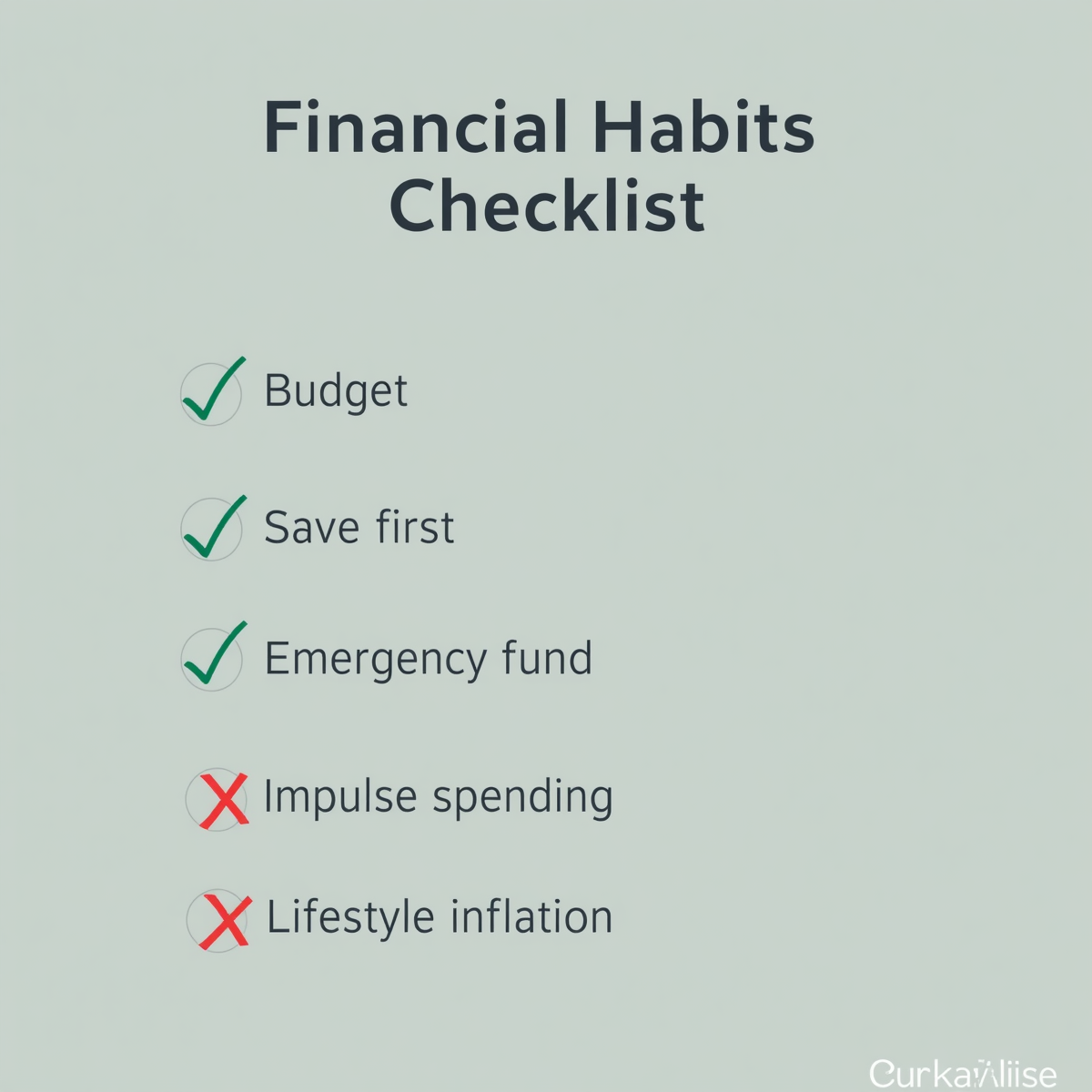
Financial goals create purpose.
Instead of saying:
“I want more money.”
Try:
- Save KES 20,000 in six months
- Reduce monthly expenses by 10%
- Build a three-month emergency fund
Specific goals create measurable progress.
Financial freedom rarely appears overnight. Most people improve financially through simple habits repeated consistently over time. Start with one change.
One budget.
One savings goal.
One better decision.
Your future finances are being shaped by what you do today.


0 Comments
No comments yet. Be the first to share your thoughts!