
Saving money has become increasingly important for Kenyan households as the cost of living continues to rise. Whether your goal is building an emergency fund, purchasing land, starting a business, or achieving financial freedom, developing a consistent saving habit is one of the smartest financial decisions you can make.
Many people struggle to save because they view saving as something to do with leftover money. In reality, successful savers treat saving as a priority and allocate money toward their financial goals before spending on non-essential items.
Here are five of the most effective ways to save money in Kenya in 2026.
1. Create and Follow a Monthly Budget
A budget is the foundation of every successful savings plan. Without a budget, it becomes difficult to track expenses and identify areas where money is being wasted.
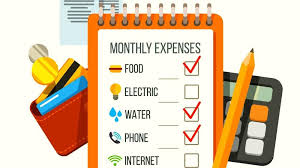
Start by listing all your sources of income and then categorize your expenses into essentials and non-essentials. Essential expenses include rent, food, transport, utilities, and school fees. Non-essential expenses may include entertainment, impulse purchases, and subscriptions.
Budgeting helps you understand where your money goes each month and allows you to set realistic savings targets. Even saving a small percentage of your income consistently can produce significant results over time.
2. Pay Yourself First
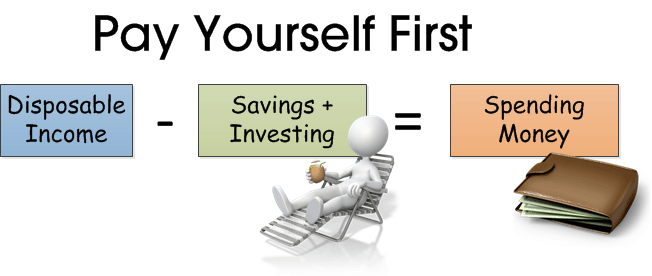
One of the most effective personal finance strategies is paying yourself first. This means setting aside money for savings immediately after receiving your salary or income.
Instead of saving whatever remains at the end of the month, transfer a fixed amount into a savings account, SACCO account, money market fund, or investment account as soon as you get paid.
Automating your savings can make the process easier and reduce the temptation to spend the money elsewhere.
3. Join a SACCO or Money Market Fund

SACCOs and Money Market Funds (MMFs) remain popular saving options among Kenyans because they offer better returns than many ordinary bank savings accounts.
SACCOs provide opportunities to earn dividends while building eligibility for affordable loans. Money Market Funds allow savers to earn daily interest while maintaining relatively easy access to their funds.
By consistently contributing to either a SACCO or an MMF, you can grow your savings faster and benefit from compound growth over time.
4. Reduce Unnecessary Expenses
Many people underestimate how much money is lost through small daily expenses. Frequent takeaways, impulse purchases, unused subscriptions, and unnecessary transport costs can significantly affect your ability to save.
Review your spending habits regularly and identify expenses that do not add value to your life. Simple adjustments such as cooking at home, using public transport when practical, comparing prices before purchasing, and reducing impulse spending can free up substantial amounts for savings.
The money saved from these small changes can be redirected toward your financial goals.
5. Build an Emergency Fund
Unexpected expenses can quickly derail financial plans. Medical emergencies, job loss, car repairs, and family obligations often force people to dip into savings or take expensive loans.
An emergency fund provides a financial safety net during difficult times. Aim to save at least three to six months' worth of essential living expenses.
Keep emergency funds in an accessible but separate account to avoid using them for everyday spending. Having an emergency fund improves financial security and reduces stress during unforeseen situations.
Common Saving Mistakes to Avoid
Many Kenyans struggle to save because of common financial habits that work against their goals. One of the biggest mistakes is waiting until the end of the month to save. Often, little or no money remains after expenses.
Another mistake is relying heavily on mobile loans to cover routine expenses. Frequent borrowing can create a cycle of debt that limits your ability to build savings.
Additionally, keeping all your savings in easily accessible accounts may increase the temptation to spend. Consider separating long-term savings from your day-to-day spending accounts.
Benefits of Saving Money Regularly
Consistent saving creates financial stability and provides greater control over your future. Savings can help you handle emergencies, invest in opportunities, start a business, purchase property, fund education, or prepare for retirement.
Regular saving also reduces dependence on debt and allows you to take advantage of investment opportunities when they arise. Over time, disciplined saving habits can become the foundation of long-term wealth creation.
Saving money is not about how much you earn; it is about how consistently you manage your finances. By creating a budget, paying yourself first, joining a SACCO or Money Market Fund, reducing unnecessary spending, and building an emergency fund, you can strengthen your financial position and move closer to your financial goals.
The earlier you start saving, the more time your money has to grow. Even small amounts saved consistently can make a significant difference in your financial future.


0 Comments
No comments yet. Be the first to share your thoughts!